
Foreclosure is a life-altering event, and for many homeowners in Florida, it feels like their world is crashing down. The financial pressure, emotional weight, and uncertainty can make it hard to see a way out. You may feel trapped, but it’s important to know that there are ways to avoid foreclosure and regain control of your situation.
We will cover the foreclosure process, the emotional toll it takes on homeowners, and how selling your home can be a lifeline. The goal is to offer you a clear path forward that allows you to protect your financial future, maintain your dignity, and, most importantly, avoid the long-lasting damage foreclosure can cause.
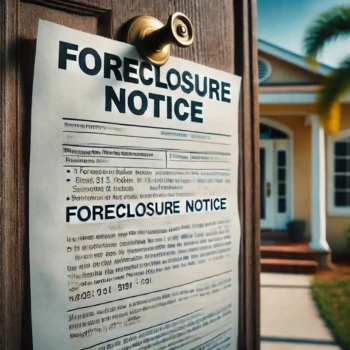
The Emotional and Psychological Weight of Foreclosure
When faced with foreclosure, the emotional strain can be overwhelming. You might experience a range of feelings, from shame and guilt to fear and anxiety. Homeowners often feel as if they have failed, which leads to avoidance and inaction—only making things worse.
The idea of losing your home, where you’ve built your life and memories, can bring about feelings of grief. The emotional barriers are real and valid, but it’s essential to acknowledge them and understand that you still have options.
Why You Might Feel Stuck
Many homeowners facing foreclosure feel like they’re in quicksand. The stress from mounting debt, the fear of credit damage, and the anxiety about losing the home often lead to a sense of hopelessness. Unfortunately, these emotions can keep you from taking action when it’s most crucial. The longer you wait, the more complex the foreclosure process becomes.
However, by addressing these emotions and moving past them, you open up the opportunity to make proactive decisions. One of the best ways to regain control is by selling your home before foreclosure can cause long-term damage.
What Happens During Foreclosure? A Step-by-Step Guide for Florida Homeowners
The foreclosure process in Florida is legal and lengthy, but understanding the steps involved can empower you to make better decisions.
When you miss multiple mortgage payments, your lender will issue a Notice of Default, which marks the beginning of the foreclosure process. From there, if the debt remains unpaid, the lender files a foreclosure lawsuit in court.
If you're interested in learning more about each step of the process, including what to expect after a Notice of Default, check out this detailed guide on the foreclosure process.
Long-Term Financial Consequences of Foreclosure
It’s not just about losing your home. Foreclosure comes with severe long-term financial consequences that can follow you for years. Here’s what you need to keep in mind:
1. Damage to Your Credit Score
A foreclosure can severely impact your credit score, often reducing it by 100 to 160 points. This can make it harder to secure loans, rent a new place, or even get certain jobs. Credit repair after foreclosure can take years, and even after seven years, the foreclosure will still be on your credit report.
2. Loss of Equity
Any equity you’ve built up in your home is lost if the property is foreclosed. This means you’re not only losing your home, but you’re also losing an asset that could have been used to rebuild your financial standing.
3. Difficulty in Obtaining Future Loans
With foreclosure on your record, it becomes much more challenging to secure another home loan. Most lenders see this as a significant risk, and even if you qualify for future loans, they may come with high interest rates and more restrictive terms.

Act Now to Avoid Foreclosure
Get a Fast Cash Offer Today!





If you're facing foreclosure, don’t wait! Contact us today to get a cash offer for your home and avoid the stress of foreclosure.
Loan Modification and Refinancing as Temporary Solutions
Some homeowners consider loan modification or refinancing as ways to avoid foreclosure. These strategies may provide short-term relief, but they come with pros and cons that should be carefully evaluated.
1. Loan Modification
A loan modification involves changing the terms of your existing mortgage, such as reducing the interest rate or extending the loan term, to make payments more manageable. However, loan modifications are not guaranteed, and lenders often require proof of financial hardship. It’s also worth noting that while loan modification can lower your payments, it may extend the loan term and increase the overall cost of the loan.
2. Refinancing
Refinancing allows you to replace your current mortgage with a new one, typically with a lower interest rate. This can help reduce monthly payments and make it easier to stay current on your mortgage. However, refinancing is often only available to homeowners with good credit and sufficient home equity. If you’re already struggling with missed payments or low credit, refinancing may not be an option.
While loan modification and refinancing can be helpful, they don’t solve the underlying issue of financial instability. For many homeowners, selling the home is the most effective way to permanently resolve foreclosure and regain control of their finances.
3. Short Sale
A short sale allows you to sell your home for less than what you owe on your mortgage, with the lender’s approval. This can be a viable solution if your home is worth less than what you owe. Although it will still negatively affect your credit score, the impact is generally less severe than a foreclosure. Additionally, a short sale avoids the legal process of foreclosure and gives you more control over the sale of your home.
When deciding between a short sale vs. foreclosure, understanding the differences can help you choose the best option for your situation.
QUICK TIP:
If you owe more than your home is worth, start by asking your lender if they’ll approve a short sale. It’s often faster and less damaging to your credit than going through foreclosure.
How to Protect Your Credit Score During Foreclosure
Your credit score is one of your most important financial tools. Protecting it during foreclosure can be difficult, but it’s not impossible.
One of the best ways to protect your credit is by selling your home before the foreclosure process is completed. By doing so, you can settle your debts with your lender and avoid the significant credit damage that comes with foreclosure. There are also other strategies, like loan modifications, that can help ease the burden.
For more ways to minimize credit damage, you can read this blog on protecting your credit score during foreclosure (cluster 2).
Why Selling Your Home Can Be a Lifeline
Many homeowners don't realize that selling their home can be a powerful tool to avoid foreclosure and the long-term financial damage that comes with it. Here’s how selling your home before foreclosure can help you regain control:
1. Immediate Financial Relief
Selling your home to a cash buyer allows you to quickly pay off your mortgage and other debts, giving you immediate financial relief. This prevents the legal escalation of foreclosure and avoids court proceedings.
2. Protecting Your Credit
As mentioned earlier, foreclosure significantly damages your credit. Selling your home before it reaches foreclosure allows you to settle your mortgage debt and save your credit score from plummeting.
3. Salvaging Equity
By selling your home, you can recover any equity you’ve built up over the years. This money can serve as a financial cushion for your next steps, whether it’s renting or purchasing a more affordable home.
4. Avoiding Legal and Financial Complications
Foreclosure comes with a host of legal ramifications, and the process can drag out for months or even years. Selling your home can eliminate the stress and legal hurdles that come with foreclosure proceedings.
Can You Sell a House in Foreclosure? What You Need to Know
If you’re already deep into the foreclosure process, you may be wondering if it's even possible to sell your home at this stage. The answer is yes, you can sell your home during foreclosure, but timing is everything.
Selling your home before the foreclosure auction date allows you to pay off your mortgage, avoid court action, and protect your credit score. For more details on how this works and the steps involved, check out this blog about selling a house in foreclosure (cluster 3).
Common Mistakes Homeowners Make During Foreclosure
When faced with foreclosure, many homeowners fall into traps that only worsen their situation. Here are some of the most common mistakes:
1. Ignoring the Problem
Some homeowners avoid opening letters from their lender or answering phone calls, thinking they can push the problem away. Unfortunately, this only makes foreclosure more imminent and limits your options.
2. Waiting Too Long to Take Action
Procrastination is a common issue for those facing foreclosure. The longer you wait, the fewer solutions you have. Selling your home early in the process can help you avoid long-term consequences, but waiting until the last minute can result in a rushed and unfavorable outcome.
3. Failing to Explore Selling Options
Many homeowners don’t realize that selling their home is an option until it’s too late. Exploring selling options early in the foreclosure process can save you from losing your home and severely damaging your credit.
Government Programs and Counseling for Foreclosure
There are several government programs and counseling services designed to help homeowners avoid foreclosure. While these programs may not provide a permanent solution, they can offer temporary relief:
1. Florida Hardest-Hit Fund
This program is designed to help homeowners who are struggling with mortgage payments due to unemployment or underemployment. It provides mortgage assistance for a limited time to help homeowners stay in their homes.
2. HUD-Approved Housing Counseling
HUD-approved housing counselors offer free or low-cost advice to homeowners facing foreclosure. They can help you explore options like loan modifications or refinancing, and they can also provide guidance on navigating the foreclosure process.
3. Mortgage Modification Programs
Some lenders offer mortgage modification programs that allow homeowners to restructure their loans. These programs often require proof of hardship and are subject to approval.
While these programs can provide temporary assistance, selling your home remains one of the most effective long-term solutions for avoiding foreclosure.
FAQs About Foreclosure and Selling Your Home
1. Can I sell my home if I’ve already received a foreclosure notice?
Yes, you can sell your home even after receiving a foreclosure notice. The key is to act quickly before the foreclosure process advances to the auction stage.
2. How long does the foreclosure process take in Florida?
In Florida, the foreclosure process can take several months to over a year, depending on the specifics of your case. However, the sooner you act, the better your chances are of avoiding the worst outcomes.
3. Can I sell my home if there’s a mortgage balance?
Yes, you can sell your home even if you still owe money on your mortgage. The sale proceeds will be used to pay off the mortgage balance, and if there’s any equity left, that money goes to you.
Conclusion
Foreclosure can feel like an unstoppable wave, but there are ways to take control and avoid the worst outcomes. By understanding the foreclosure process, addressing the emotional and financial impact, and exploring the option to sell, you can protect your future and find a solution that works for you.
If you’re ready to avoid foreclosure and take the next step toward financial freedom, don’t wait—contact us today to get a fast cash offer and move forward with peace of mind.