
Foreclosure is one of the most stressful situations a homeowner can face. The process can be overwhelming, confusing, and emotionally draining. But understanding how foreclosure works, especially in Florida, can help reduce fear and provide clarity.
In this guide, we’ll walk you through each step of the foreclosure process in Florida, explain your rights as a homeowner, and offer actionable steps you can take to stop foreclosure or avoid its most damaging outcomes.
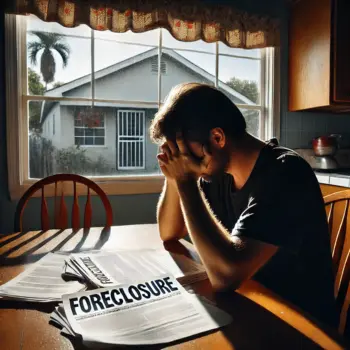
Understanding the Foreclosure Process in Florida
In Florida, foreclosure is a judicial process, which means lenders must go through the court system to repossess a home. This is both a blessing and a challenge for homeowners, as it provides more time to act but also adds legal complexities.
Unlike non-judicial foreclosure states where the lender can move quickly, Florida homeowners have more time to respond and explore solutions. However, it’s essential to act quickly and know what to expect to protect your home and financial future.
The Legal Steps of Foreclosure in Florida
The foreclosure process involves several legal steps, from initial missed payments to the final foreclosure sale. Understanding each stage can help homeowners navigate their situation better.
1. Notice of Default
The foreclosure process begins with the Notice of Default. After you miss several mortgage payments (typically 90 days), the lender sends a Notice of Default. This is a formal notice that informs you that your loan is in default and that you have a limited time to catch up on missed payments before legal action begins.
2. Foreclosure Lawsuit
If you fail to catch up on your mortgage payments or reach an agreement with your lender, the next step is for the lender to file a foreclosure lawsuit. This is where Florida’s judicial foreclosure process comes into play. Once the lawsuit is filed, the court system gets involved, and you will be served with a Summons and Complaint.
You have 20 days to respond to the lawsuit. During this time, you can attempt to work out an alternative, such as a loan modification, short sale, or other foreclosure alternatives.
3. Court Judgment
After the lawsuit is filed and if you do not reach an agreement or settle the debt, the court will proceed to a court judgment. At this stage, the judge reviews the case and decides whether the lender has the right to foreclose on your home.
If the judge rules in favor of the lender, the court will issue a judgment of foreclosure. This gives the lender the green light to proceed with selling the property at a foreclosure auction.
4. Foreclosure Sale
Once the court has issued the judgment, the home is scheduled for a foreclosure sale, typically a public auction. This auction allows the lender or other interested parties to bid on the property. The goal is to recoup the amount owed on the mortgage.
As the homeowner, you still have a final opportunity to redeem the property before the foreclosure sale takes place. If you can pay off the full loan amount (plus fees), you can stop the sale from happening.
5. Eviction
If the foreclosure sale is completed and a new buyer (or the lender) takes ownership of the home, the next step is eviction. At this point, the homeowner must vacate the property. In many cases, the new owner will offer a short grace period for you to move out, but legal eviction proceedings can begin if you refuse to leave.
This final stage marks the end of the foreclosure process, and the homeowner permanently loses ownership of the home.
How to Stop Foreclosure Before It Escalates
While foreclosure can seem inevitable once it begins, there are several steps you can take to either halt the process or slow it down. The earlier you act, the better your chances are of avoiding foreclosure altogether.
1. Communicate with Your Lender
The first thing you should do when you start missing mortgage payments is to contact your lender. Many lenders offer loan modification programs or repayment plans that can help you catch up on missed payments without losing your home.
Lenders prefer avoiding foreclosure if possible, as it’s a lengthy and expensive process for them. By communicating early, you increase the likelihood of finding a solution that works for both parties.
2. Explore Loan Modification or Refinancing
If your financial hardship is temporary, consider applying for a loan modification or refinancing your mortgage. Loan modifications adjust the terms of your loan, such as lowering your interest rate or extending the loan term. Refinancing involves replacing your current loan with a new one, often with better terms, which can reduce your monthly payments and give you more time to recover financially.
Both options allow you to keep your home while reducing your monthly mortgage payments, but they depend on your eligibility and lender's policies.
3. Consider a Short Sale
If keeping your home is not an option, a short sale may be a viable alternative to foreclosure. In a short sale, the lender agrees to let you sell the property for less than the outstanding mortgage balance. While it won’t fully resolve your mortgage debt, it helps you avoid the worst credit damage caused by a foreclosure.
A short sale can be a solution if you’re unable to pay off your mortgage or if the home’s market value has dropped significantly.
4. Sell Your Home to Avoid Foreclosure
One of the most effective ways to avoid foreclosure is by selling your home before the process is complete. Selling to a cash buyer can provide quick financial relief, allowing you to settle your mortgage and avoid the long-term damage foreclosure brings to your credit.
In many cases, selling your home early in the foreclosure process is the fastest way to escape debt and protect your credit score. A cash sale also allows you to close quickly, often within days, giving you time to move forward without the stress of foreclosure proceedings.
Learn more about how selling your home can help you avoid foreclosure by reading this blog about selling a house in foreclosure

Act Now to Avoid Foreclosure
Get a Fast Cash Offer Today!





If you're facing foreclosure, don’t wait! Contact us today to get a cash offer for your home and avoid the stress of foreclosure.
Actionable Steps to Take Today to Avoid Foreclosure
If you’re facing foreclosure in Florida, here are immediate actions you can take:
- Contact Your Lender: Ask about loan modification programs or repayment plans.
- Explore Refinancing: Check if you qualify for refinancing to reduce your monthly payments.
- Consider a Short Sale: If keeping the home is not an option, negotiate a short sale with your lender.
- Sell Your Home for Cash: Contact a trusted cash buyer for a fast sale and quick financial relief.
By taking action today, you can avoid the long-term financial and emotional consequences of foreclosure.
QUICK TIP:
If you receive a Notice of Default, don’t ignore it! Contacting your lender as soon as possible opens the door to options like loan modification or repayment plans that could help you avoid foreclosure. Taking action early gives you the most flexibility and options to save your home.
Conclusion
The foreclosure process in Florida can be complex and overwhelming, but understanding each step can help reduce fear and confusion. By acting quickly and exploring your options, you can avoid the worst outcomes and protect your financial future.
If you’re facing foreclosure and need fast relief, consider selling your home to a cash buyer. It’s one of the quickest ways to settle your debt, avoid eviction, and protect your credit score from lasting damage.